Home Insurers Are Turning the Climate Crisis Into Profit
As the insurance industry reports soaring revenues, families like Jennifer Garbowicz's are left fighting for the coverage they paid for.
By Lois Parshley
As Hurricane Helene approached the palm-lined beach outside her St. Petersburg home in 2024, Jennifer Garbowicz and her husband scrambled to get ready. While the winds gathered strength, Garbowicz evacuated with their kids and dog, leaving her husband behind. “He had a little pump system set up,” she said, but it was quickly overwhelmed. Water “was just coming up through the bathtubs and toilets and through the floors.” After getting electrocuted, RJ retreated to the second floor, praying the waters wouldn’t keep rising. But surviving the storm proved to be only the family’s first challenge. Just ten days later, Hurricane Milton tore into their roof. Between the two storms, “There was water literally running down the inside of the walls,” Garbowicz recalls. Despite paying as much as $20,000 a year in homeowners and flood insurance, the Garbowicz’ soon found themselves fighting to get their claims paid.
They had purchased homeowners insurance through GeoVera Specialty Insurance Company, a company that sells so-called surplus coverage. These companies often insure properties in high-risk areas traditional insurers might not be willing to cover, and their policies are not subject to the same state regulations or laws. While the Grabowicz’ home was insured for over $700,000, GeoVera initially said it would only pay $2,279.41, after the family was incorrectly advised not to file a separate claim for the second back-to-back storm. Their flood policy did pay out its maximum, but their mortgage company is keeping most of it until their rebuild reaches dry wall.
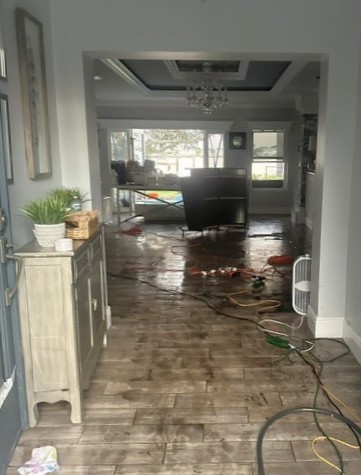
Over the past two years, the family has been forced to pay for a rental along with their original mortgage on a house that’s since been torn down, while also fronting new construction costs. “It’s just astounding you have to fight for something you’ve paid for for years, thinking that you were doing all the right things,” Garbowicz says.
The post-disaster financial catastrophe her family stumbled into is becoming familiar to homeowners across the country. Insurers are dropping existing policies, withdrawing from covering perils like wind and hail, and raising deductibles or capping coverage. As a result, policyholders are paying more for less. Many consumers are increasingly forced to buy two or three separate policies to fully insure their home, or turning to less-regulated surplus lines. In the aftermath of a disaster, having multiple insurers means they have to navigate different service centers, billing systems, and claims processes, all while dredging up evidence, like old receipts, from fractured lives. “We have to list every single item down to the fork that we lost, and when we bought it, and what it cost,” Garbowicz explains.
The insurance industry blames rising premiums on the climate crisis. But new data from the National Association of Insurance Commissioners reveals that from 2021 to 2025, insurers’ premiums from homeowners policies on owner-occupied properties grew more than twice as fast as their losses. The resulting profits have been striking.
A recent analysis by Public Citizen, Revolving Door Project, and Americans for Financial Reform Education Fund found that the ratio of premiums paid out as claims, known as the loss ratio, fell by 20 percent, from 69% in 2021 to 55% in 2025. That means insurers kept 45 cents of every dollar they collected from policyholders, far more than the industry did historically.
If state regulators capped insurer profits by setting minimum loss ratios at 80%, similar to standards set for the health insurance industry, insurers would have made $113 billion less. Instead, insurers closed an average of 30% of claims without payment, and 22% of claims that were paid were delayed beyond 60 days.
In Florida, those profits are particularly exaggerated. Last year the industry’s net income was $2.1 billion, more than doubled from 2024, and up from $292 million in 2023. The industry’s loss ratio in the state was only 11%, meaning insurers kept 89 cents of every dollar of premiums they collected.
Homeowners, meanwhile, continue to face mounting costs and growing hurdles to successfully filing claims. The Garbowicz’ legal options have been limited, in part because of procedural errors made by the lawyer they hired to help wade through their insurance paperwork. Many homeowners in Florida face other legal challenges: Faced with an affordability crisis, the state passed a series of laws in 2022 and 2023 that made it harder for homeowners to challenge denied claims, requiring consumers to take on legal fees even when they won their lawsuits, and making it more difficult to hold insurers liable for bad faith.
The state commissioned a study, withheld from legislators as they debated these bills, that showed while Florida insurers reported $432 million in losses from 2017 to 2019, their affiliates simultaneously earned $1.8 billion, and $680 million in dividends were given to shareholders. Our analysis of NAIC data shows that the following year, the number of claims closed without payment actually increased by 37%. This summer, industry whistleblowers told Bloomberg the industry appears to be deliberating limiting payouts after the state’s tort reform.
Florida’s Office of Insurance Regulation reports that lawsuits against residential insurers have indeed fallen, by a combined 42.25% between 2023 and 2025. But less litigation has not made insurance more affordable: The average homeowners premium in Florida reached $8,292 in 2025, nearly three times the national average.
This disconnect has left homeowners like Garbowicz questioning who is holding these companies accountable. This summer, she traveled to Washington, D.C.. with Extreme Weather Survivors, a group of families impacted by natural disasters, to share their stories and ask for reforms.
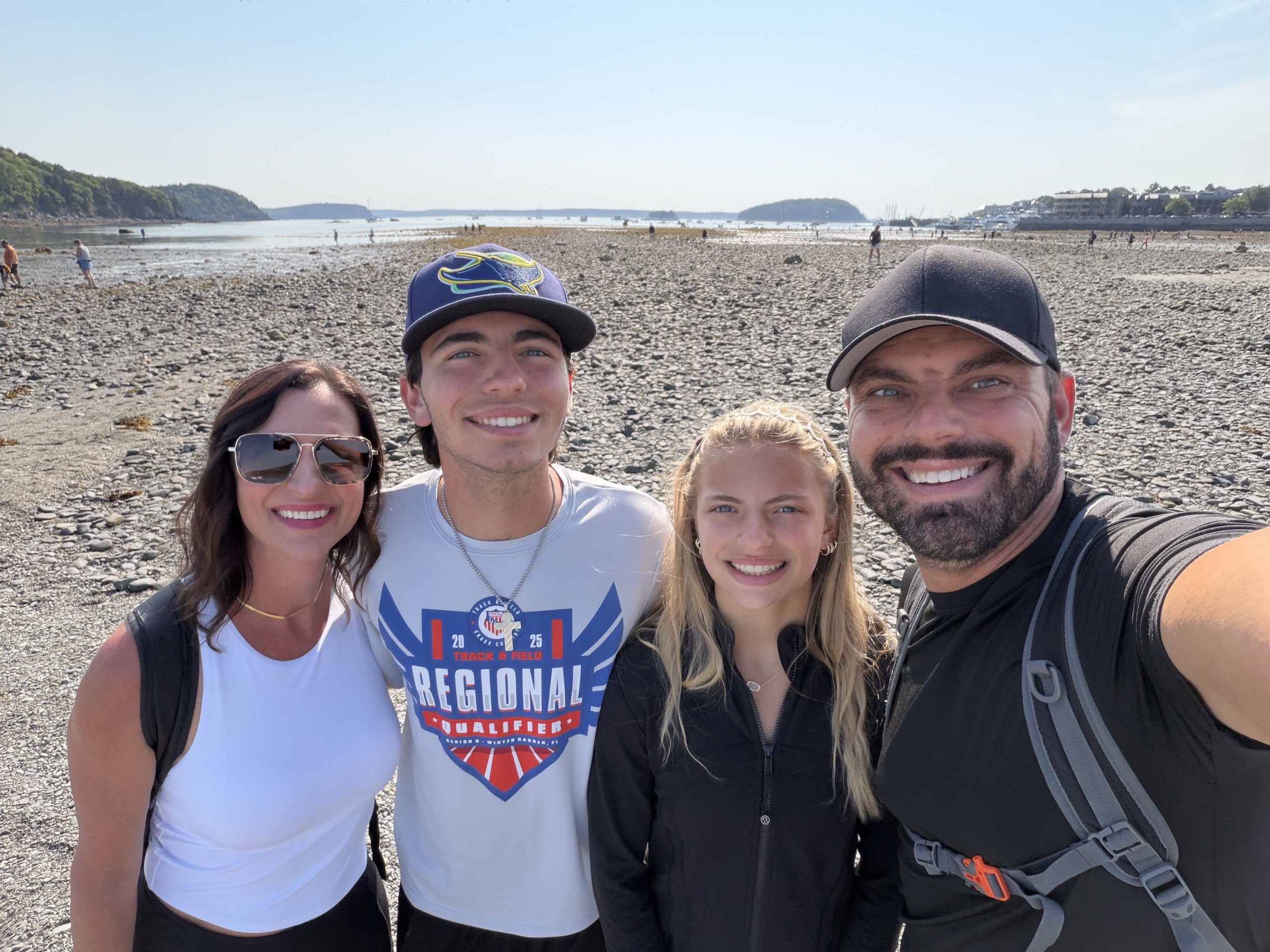
“How is this so overtly happening and seemingly ok with people on the inside of these places?” Garbowicz asks. “I don’t know how they live with themselves.”
To see how your state’s insurers are raising rates, denying claims, and generating excess profits, read the full report, “Home Insurers Are Ripping People Off Amid the Climate Crisis.”